
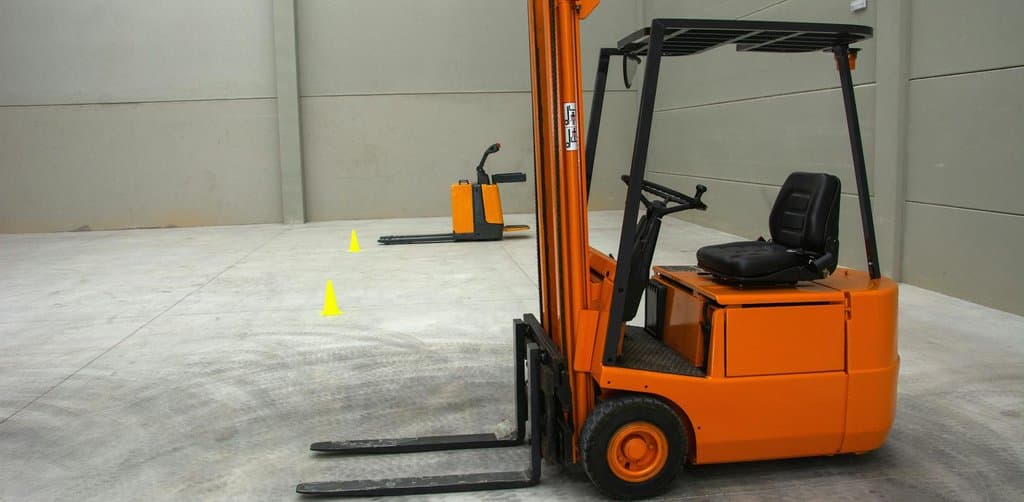
Photo by set aniset on Pexels
Selling a note secured by business assets the right way
Selling a note secured by business assets means converting a privately held promissory note (one backed by a UCC-1 filing on equipment, inventory, accounts receivable, or other tangible business collateral) into a cash payment from a third-party buyer. A clean, well-documented secured note in the $250K to $2M range typically funds in 30 to 60 days at 75 to 92 cents on the dollar of remaining balance, with the precise number driven by collateral quality, payment seasoning, and lien position.
This piece walks the practical mechanics of preparing the documentation, positioning the collateral story, and running the sale in order to capture the price the note actually deserves.
What makes a note secured
The phrase “secured by business assets” carries specific legal meaning that drives the entire pricing conversation. The note holder has perfected a security interest in identified business collateral through a security agreement and a UCC-1 filing in the debtor’s state of organization. That perfection gives the holder priority over unsecured creditors and a recovery path against the collateral if the borrower defaults.
The security agreement
The security agreement is the contract between the borrower and the note holder that grants the lien on collateral. It identifies the collateral (specific equipment, blanket business asset, accounts receivable, inventory) and the events that trigger remedies.
The UCC-1 filing
The UCC-1 financing statement is the public filing that perfects the security interest. Filed in the debtor’s state of organization (not necessarily the state where the assets sit), it puts the world on notice of the holder’s lien. UCC-1 filings expire after 5 years and must be renewed to remain effective.
Priority and lien position
If multiple lenders have filed against the same collateral, priority is generally first-to-file. A first-lien position recovers ahead of subordinate lien holders. The pricing of a note in the secondary market depends heavily on lien position.
The documentation package buyers want
Every serious buyer of a secured note asks for the same documents. Sellers who walk in with a clean package close faster and at better prices than sellers who scramble during diligence.
Core documents
- The original promissory note with any modifications or forbearance agreements.
- The security agreement identifying the collateral and remedies.
- The UCC-1 filing and any continuation filings, with current state-filed confirmations.
- The personal guarantee from the buyer-borrower, plus any spousal guarantees.
- The payment history from origination through current date.
- The amortization schedule through maturity.
- The collateral inventory or asset list as of closing.
- The subordination agreement if the note sits behind senior debt.
- Form 1098 or 6252 history for the prior tax years.
Diligence-ready extras
Beyond the core, sellers who provide buyer credit reports, business operating performance data, a clean servicing history report, and a recent collateral valuation typically capture an extra 3 to 5 cents on the dollar in pricing.
How collateral quality drives price

Buyers price the collateral on three dimensions: type, liquidity, and condition. The honest answer on each dimension drives pricing more than the headline coupon rate or the buyer-borrower’s credit score.
Collateral type
Standardized equipment (CNC machines, fleet vehicles, manufacturing tools) recovers well in a workout because there is a deep secondary market for the asset. Specialized or proprietary equipment recovers poorly because the resale market is thin. Inventory and accounts receivable recover unevenly, depending on industry and customer concentration.
Liquidity of the asset
Assets with active secondary markets (titled vehicles, listed equipment categories) liquidate in 30 to 90 days at 40 to 70 cents on the dollar of book value. Assets that require specialized resale channels can take 6 to 12 months and recover 20 to 40 cents.
Condition and maintenance
Well-maintained equipment with current service records recovers far more than equipment with deferred maintenance. The pre-sale collateral valuation should include a condition assessment, and the seller should provide service records to the note buyer.
The pricing math
Pricing comes from a present-value model. The buyer discounts every remaining payment at their required yield, subtracts a buffer for workout risk based on collateral quality, and offers some discount to that number for diligence findings.
| Collateral Profile | Strong Buyer Credit | Average Buyer Credit | Weak Buyer Credit |
|---|---|---|---|
| First-lien, standardized equipment, well-maintained | 85–92 cents | 75–85 cents | 60–72 cents |
| First-lien, blanket business assets, mixed quality | 78–88 cents | 68–78 cents | 50–65 cents |
| Subordinated to senior debt, blanket lien | 65–78 cents | 55–68 cents | 40–55 cents |
| Unsecured or junior unsecured | 50–65 cents | 40–55 cents | 20–40 cents |
The lien status check
The single most common diligence finding that triggers a reprice is a defect in lien status. Sellers should pull a current UCC-1 search from the debtor’s state of organization before listing the note. Three issues show up most often.
Lapsed UCC-1
A UCC-1 that was not renewed within the 5-year window has lapsed. The lien is gone. The note is effectively unsecured. Reactivating the lien requires a new filing, which may or may not preserve priority depending on intervening filings.
Wrong debtor name
UCC-1 filings have to match the debtor’s exact legal name as registered with the secretary of state. A typo or a name change since closing can render the filing defective.
Wrong state of filing
The filing goes in the debtor’s state of organization, not necessarily the state where the assets sit. A business that incorporated in Delaware but operates in Texas should have the UCC-1 filed in Delaware. Wrong-state filings are functionally unperfected.
The buyer pool
The buyers of secured business notes fall into a few categories. Institutional credit funds, family offices, and specialized note buyers form the bulk of the market. Each has a different mandate, pricing model, and diligence depth. Sellers who run a short competitive process across three or four buyers in order to test pricing capture meaningfully better outcomes than sellers who quote the first buyer they meet.
Note brokers
A business note broker who handles secured paper has standing relationships with the institutional pool. How to broker business notes secured by business assets is a specialized skill, and brokers who work this market understand the collateral analysis and the lien status checks that determine pricing.
The process timeline
A clean secured note sale runs 30 to 60 days end to end.
Listing and indicative quotes
Week 1. The seller (or broker) sends a one-page summary of the note and collateral to qualified buyers. Indicative quotes return within 5 to 7 business days.
Buyer diligence
Weeks 2 to 4. Buyers review the documentation package, pull UCC-1 confirmations, run buyer credit checks, and assess collateral. A small subset will request a third-party collateral valuation.
Definitive offer and documentation
Week 4 to 5. The top buyer issues a definitive offer. The seller and buyer negotiate a purchase and assignment agreement that transfers the note and the security interest.
Closing and funding
Week 5 to 6. The seller signs the assignment, the buyer wires the funds, and a UCC-3 amendment files to assign the lien to the new holder. The borrower receives a notice letter directing future payments.
Performing vs stressed note pricing
The performing vs non-performing business notes line applies to secured paper as much as to any other category. A current, properly performing secured note in the first-lien standardized-equipment profile trades in the 85 to 92 cent range. The same note in non-performing status drops to 30 to 50 cents because the workout path now relies on collateral liquidation rather than continued payments.
That being said, secured notes recover better in workout than unsecured paper. The pricing cliff is steep but the floor on non-performing pricing is higher for secured paper than for unsecured notes of the same face value.
Selling mechanics that affect final price
Selling a seller-financed business note that happens to be secured benefits from the same selling tactics as any other note sale. Run a short competitive process. Provide a complete documentation package upfront. Disclose any defects or issues before diligence finds them. Engage a broker if the note is over $200K and the seller has no existing buyer relationships.
Tax treatment
The tax treatment of selling a secured note follows the same rules as selling any seller-financed note. Unrealized installment gain becomes taxable in the year of sale under Section 453. The seller should run the after-tax math with a CPA before listing in order to confirm the lump-sum-vs-installment-continuation decision.
Subordinated notes and acquisition notes
Subordinated seller notes that happen to be secured (typically with a second-lien position behind a senior bank lender) price meaningfully lower than first-lien comparable paper. The subordination shaves 10 to 20 cents off the price relative to a first-lien position because the recovery math in workout is much narrower.
An acquisition note that funded a business acquisition often has the same secured-second-position profile. Business note investing buyers price acquisition notes against the same framework, with additional diligence on the senior loan status.

Common mistakes that erode price
The first mistake is failing to pull a current UCC-1 search before listing. A lapsed or defective filing triggers a major reprice during buyer diligence.
The second mistake is overrepresenting collateral value. A pre-sale collateral assessment that confirms the buyer’s likely findings prevents painful reprice conversations at the closing table.
The third mistake is neglecting note servicing best practices in the months leading up to sale. Buyers price the cleanness of the payment ledger, and a self-serviced informal record costs cents on the dollar versus a professional servicer’s report.
The fourth mistake is quoting the first buyer who calls. Competition across three or four qualified buyers produces 5 to 10 percent better pricing on average.
How to take the next step
If you are weighing whether to sell a secured business note, the right sequence is straightforward. Pull a current UCC-1 search from the debtor’s state of organization. Confirm the security agreement is in order. Assemble the documentation package, get a baseline indicative quote from one institutional buyer, and run the present-value math yourself so you know what to expect. Decide whether to manage the sale direct or engage a broker.
The deal compounds in the seller’s favor when the documentation is clean, the lien status is confirmed, the collateral is honestly described, and the buyer pool is competitive. Good luck and keep at it.