
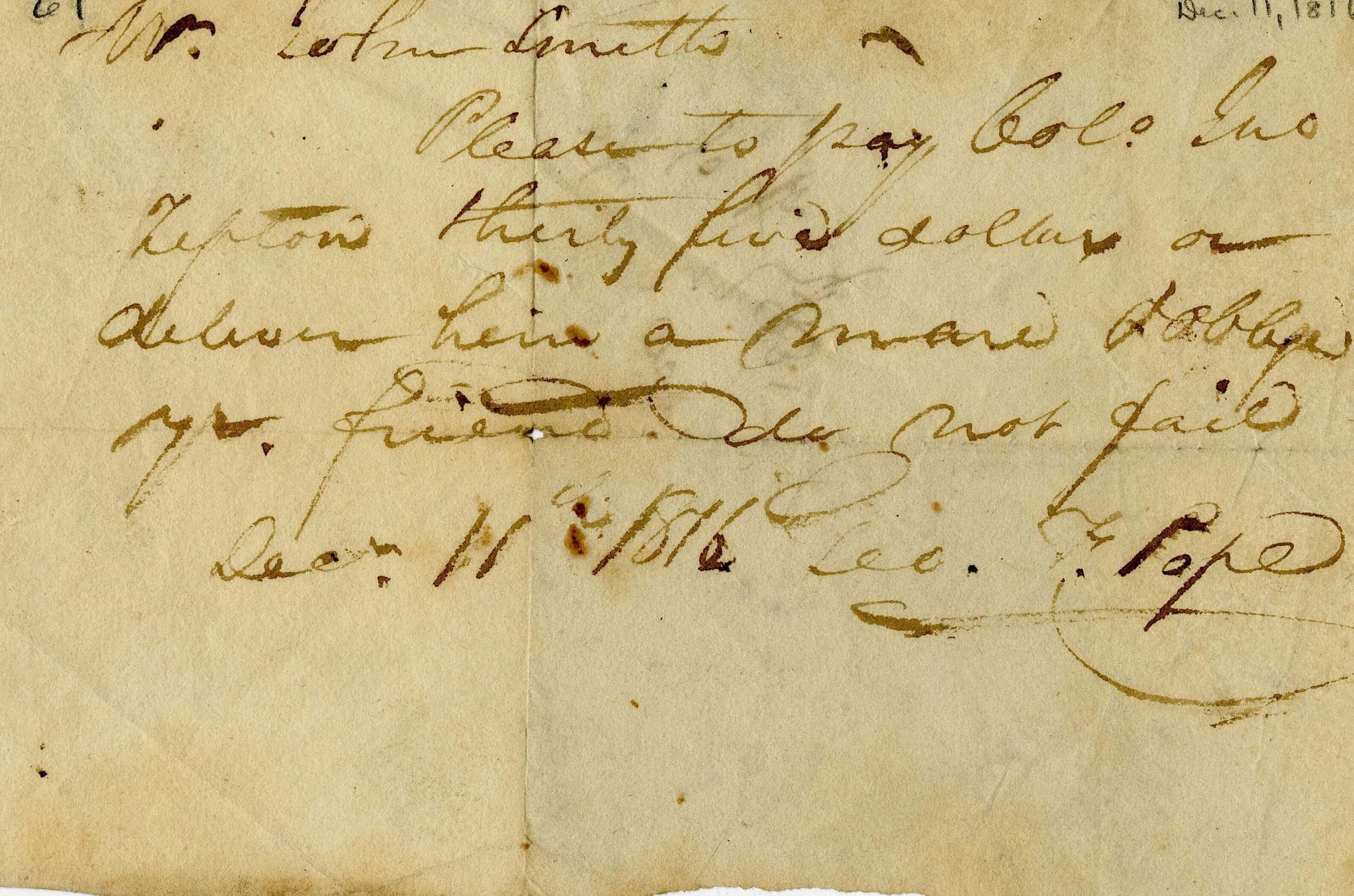
Sellers become the bank
Every year, 14,000+ small businesses change hands. Buyers typically put down 20%, and the seller carries the other 80% as a note.
With banks stepping back from deals under $10 million and the SBA taking 6+ months to close, sellers have little choice. They don’t want to be lenders. They want their cash today, so they sell us the note at a discount.
Seller notes are a potential $40 billion credit market that few investors see. The fund targets a net annual yield of 12–15%, triple the income of investment-grade bonds at 4%.1,2
The fund in two figures
The fund’s terms
Structure
| Target raise | What the fund aims to raise | $100M |
|---|---|---|
| Target yield | Net annual yield, not guaranteed | 12–15%1,2 |
| Minimum investment | Accredited investors only | $100,000 |
| Distributions | At the manager’s discretion, not guaranteed | Quarterly5 |
Fees
| Management fee | Of net asset value, 0.5% a quarter | 2% a year4 |
|---|---|---|
| Carried interest | The manager’s share of profits | 20%4 |
| Hurdle rate | The return to clear before carried interest | 8%4 |
| Acquisition and exit fees | Together, of each note’s original balance | Up to 3%4 |
Liquidity
| Lock-up | Before an investor can withdraw | 6 months3 |
|---|---|---|
| Approval | In writing, from the manager | Required3 |
| Investor limit | Withdrawals by one investor, each quarter | 25%3 |
| Fund cap, quarterly | All withdrawals, of net asset value | 2.5%3 |
| Fund cap, annual | All withdrawals, of net asset value | 10%3 |
The numbers link to the note behind each term. The legal disclaimer and every note are on the disclosures page.
We buy performing seller notes.
From owners who would rather have cash, at a discount, after underwriting and AI-enhanced diligence.
The borrowers pay every month.
Each note repays principal and interest, usually over 3–10 years.
We aim to pay you quarterly.
Distributions are made at the manager’s discretion and are not guaranteed.5
You can ask to withdraw.
After a 6-month lock-up, with the manager’s written approval, and within the individual and fund limits.3
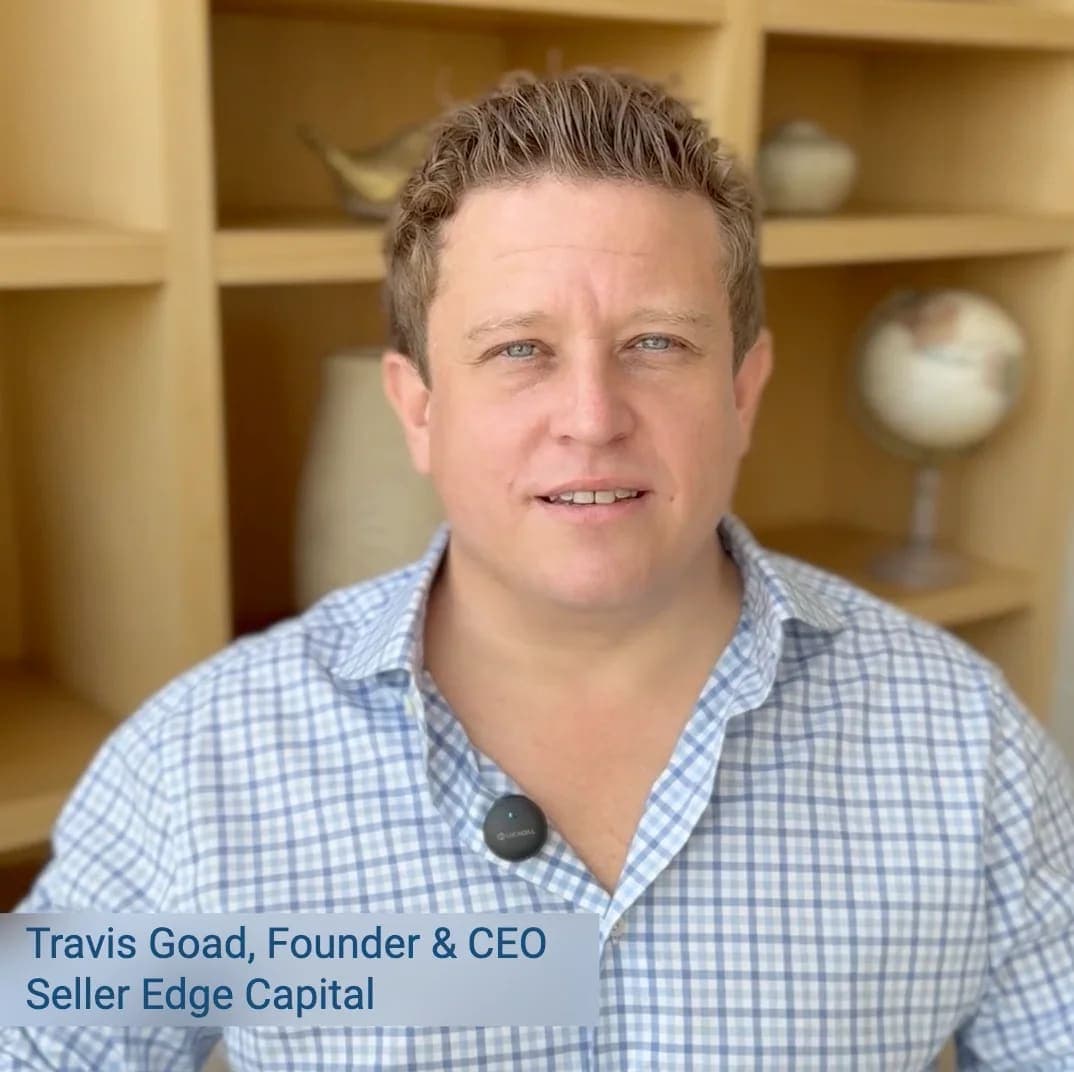
Hear it from Travis Goad
A short film from our founder, for investors weighing the fund.
Travis has spent 20 years in credit. At Pelorus Capital Group he helped grow a debt fund from $20M to $430M under management.6
Who runs the fund
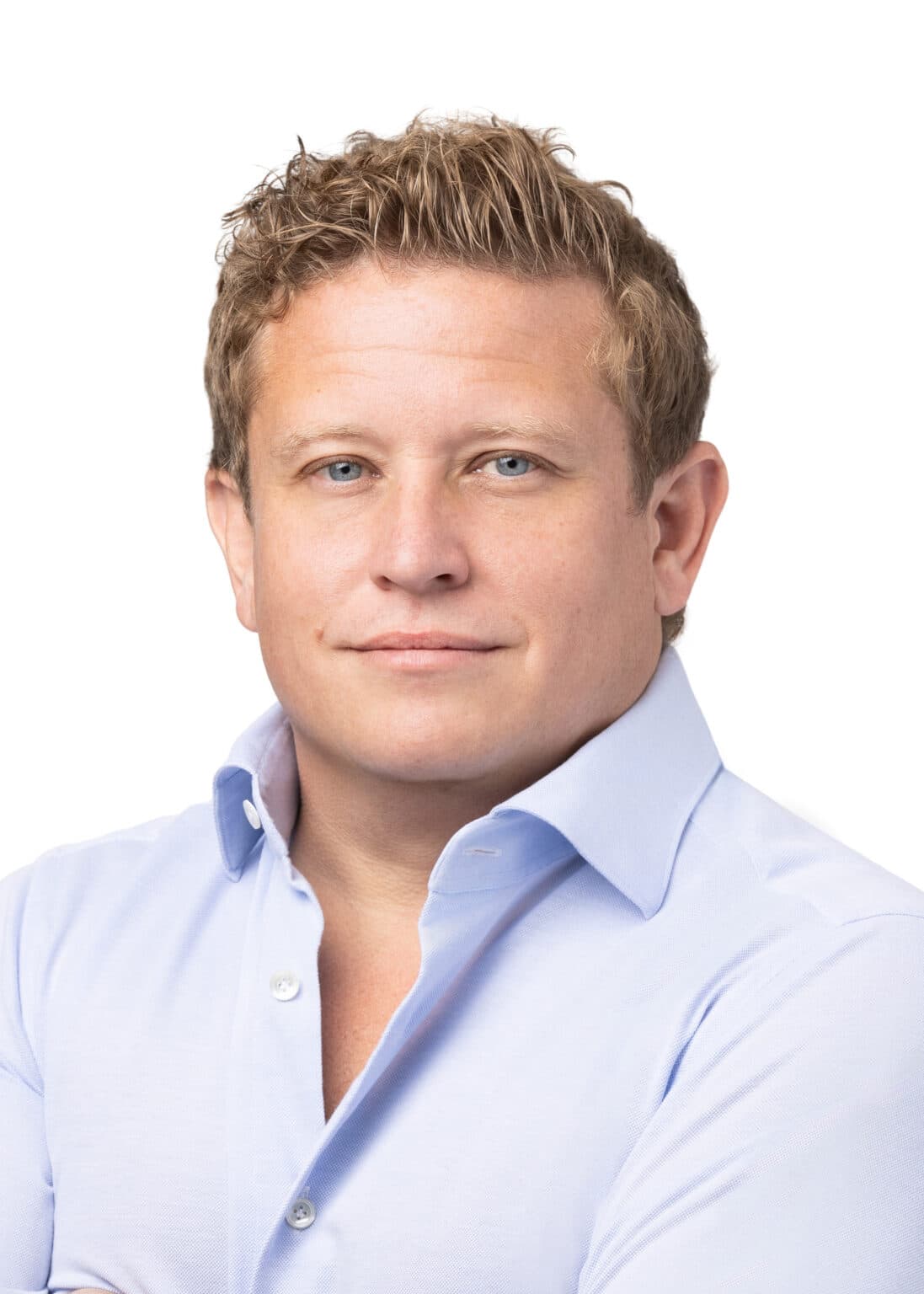 Travis Goad founded Notecrest Capital after 20 years in credit: distressed debt, real estate credit, private credit funds and small-business lending. At Pelorus Capital Group he helped grow a debt fund from $20M to over $400M under management. He runs the fund and the underwriting every note goes through.
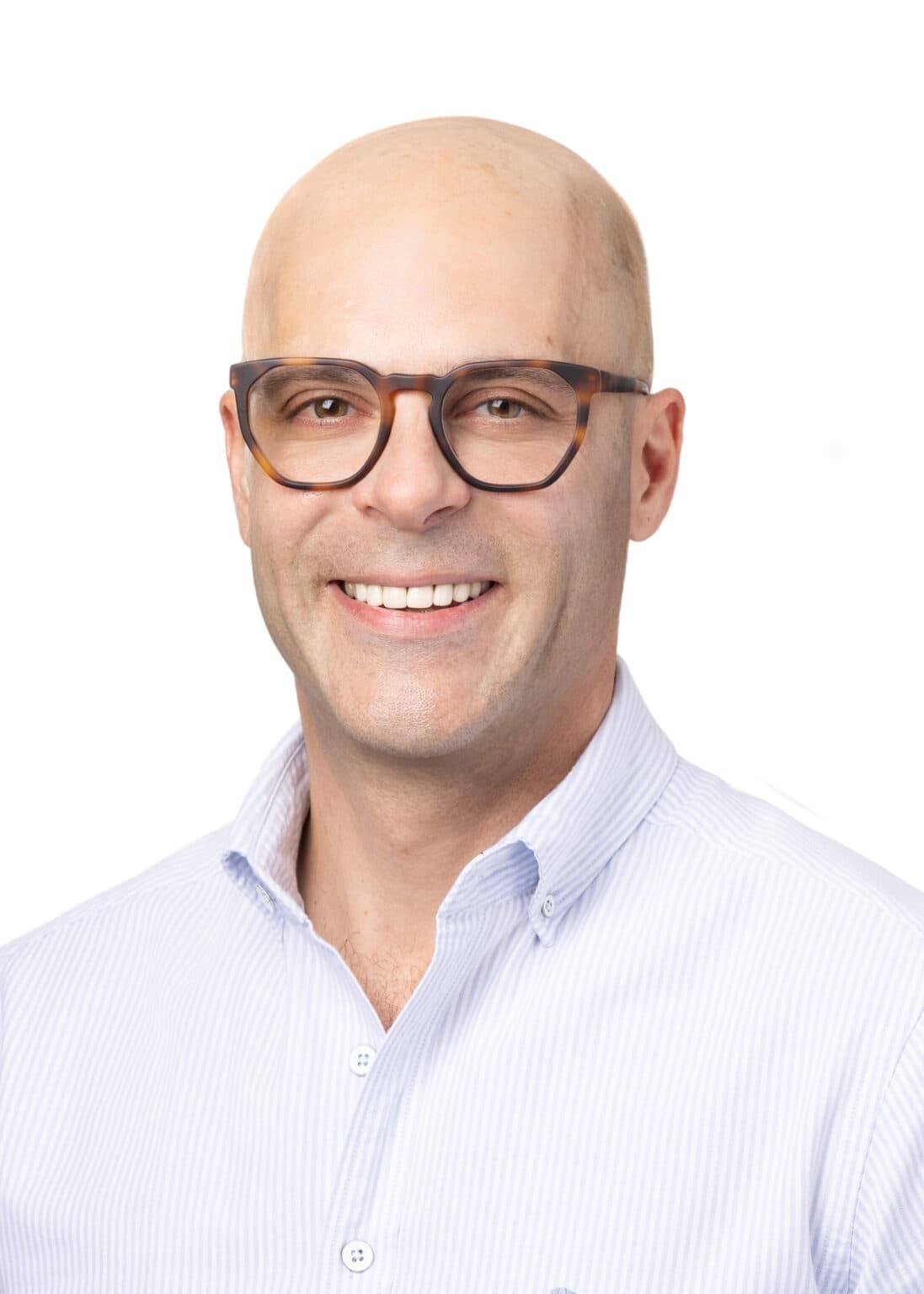 Abby Shemesh, our Head of Acquisitions, co-founded Amerinote Xchange in 2006, which has funded over $800M of note purchases in more than 900 transactions. He leads sourcing and everything a seller deals with, from the first call to the closing.
Questions investors ask
What is a seller note private credit fund? A seller note private credit fund pools capital from accredited investors to buy seller-financed business notes. These are promissory notes created when a business is sold and the seller agrees to finance part of the price. The fund collects the notes’ payments, and its manager seeks to make quarterly distributions to investors. Distributions are not guaranteed.5
Who can invest in the Notecrest Capital Fund? Only accredited investors can invest, with a minimum of $100,000. The fund is meant for investors who want exposure to private credit backed by real small business transactions and are prepared to hold the investment indefinitely: there is a 6-month lock-up, and withdrawals are limited and need the manager’s written approval.3
What makes seller notes an attractive investment? Seller notes are loans to the buyers of small businesses. The fund buys notes that are already performing, usually secured by business assets, real estate or personal guarantees, and a portfolio of many notes, across industries and places, can add diversification away from public markets. The fund targets a net annual yield of 12–15% and its manager seeks to make quarterly distributions; neither is guaranteed.1,2,5
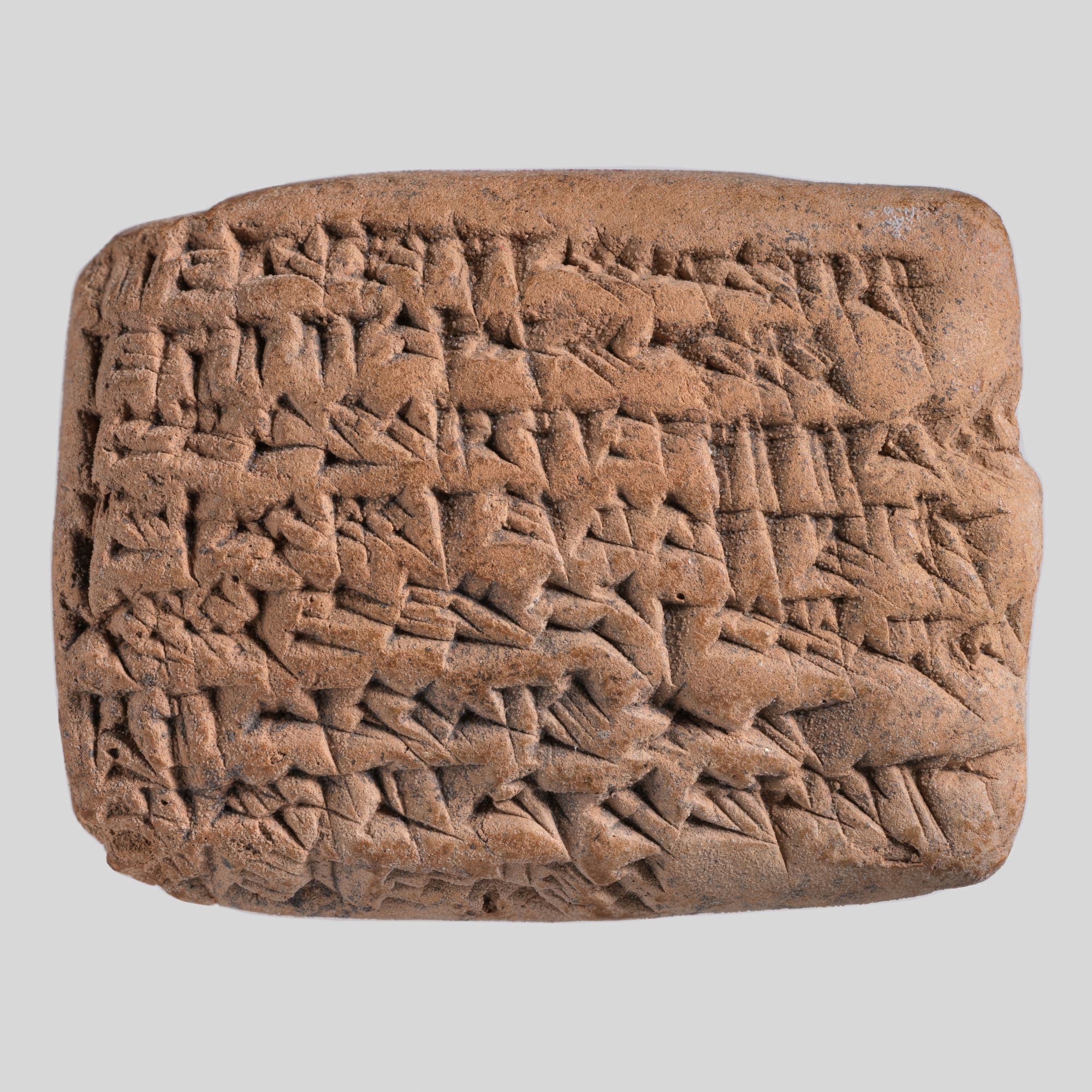
Pictures: Promissory note, George F. Pope to John Smith, 1816-12-11, public domain, via Wikimedia Commons; Cuneiform tablet: promissory note for silver, Egibi archive, public domain (CC0), via The Metropolitan Museum of Art.

Ask about the fund
Accredited investors only. Tell us how to reach you and the team will take you through the terms.
See the fund terms