

Photo by Kampus Production on Pexels
What happens when you put a lien on a business: The full timeline
What happens when you put a lien on a business breaks down into a 72-hour shockwave, a 30-day operational squeeze, and a long tail of credit and transaction damage that can outlast the lien itself.
I have been operating in the small business credit and note space long enough to tell you that the practical impact lands harder and faster than most owners or creditors expect.
That being said, the timeline is predictable once you know where to look. From the moment the recording clerk stamps the filing, a sequence of automated and manual consequences kicks off in order, and a well-prepared debtor or creditor can either soften or sharpen each step.
The first 72 hours after a lien files
The first three days are where the largest single chunk of damage to the debtor happens. From my experience, three concrete events trigger inside that window, and each one has its own downstream consequence.
The public record goes live
The Secretary of State or county recorder uploads the filing to its public portal, usually within 24 to 48 hours of receipt. Anyone running a business lien search now sees it. That includes lenders, vendors, prospective buyers, insurance companies, and every commercial data aggregator that scrapes those portals nightly.
Credit bureaus pick it up
D&B, Experian Business, and Equifax Business pull the new filing within 24 to 72 hours of recording. The debtor’s business credit score drops 50 to 150 points overnight on a single filing, and 150 to 250 points on a federal tax lien. The score change is automatic and does not wait for any kind of review.
Vendors receive bureau alerts
Vendors subscribed to credit monitoring on the debtor receive automated alerts within 24 to 48 hours of the score drop. Plain and simple, that is when the phone calls and the credit-limit reductions start, often before the debtor has even processed that the lien is on file.
What changes immediately for the business owner
The business owner who just had a lien filed against them wakes up to a different financial reality the next morning. Bank reps will call, sometimes within hours, asking about the filing. Vendor payment terms tighten from net-30 to net-15 or to credit-card-only in many cases. New credit applications get auto-denied during the underwriting pull. From my experience, the operating cash flow tightens by 5 to 15 percent in the first month purely from these third-party reactions.
What changes immediately for the creditor who filed
On the other side of the table, the creditor who filed gains real negotiating power within 72 hours. The debtor has a much stronger incentive to settle, refinance, or cure than they did before. Most pre-lien negotiation impasses resolve within 30 days of a filing because the operational pressure on the debtor becomes too expensive to ignore.
How a lien affects bank and credit access
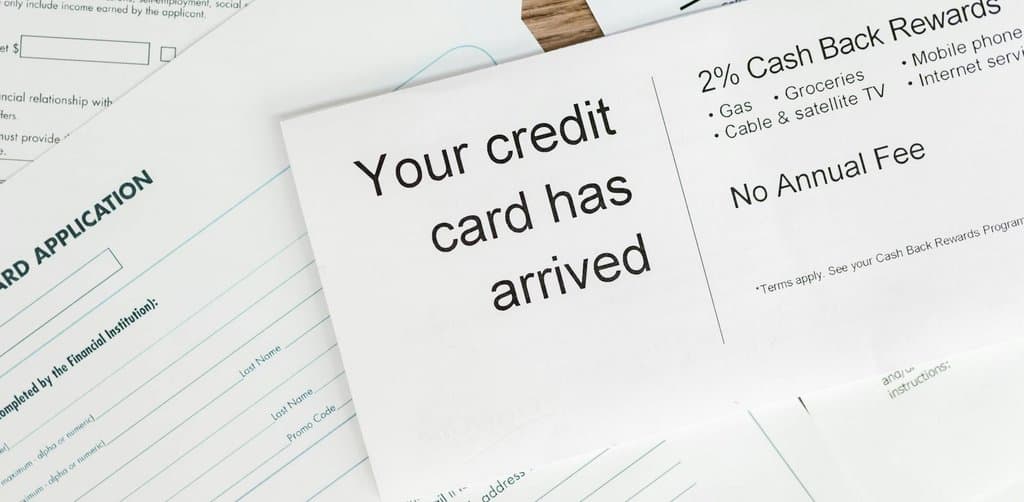
Banks treat new liens as a material adverse change. Existing lines of credit often hit a freeze pending review, and in roughly 25 percent of cases the bank will call the line in full within 90 days. New credit applications during an active lien period get approved at a rate of less than 30 percent at conventional banks, versus 70 percent for clean files. SBA lenders are slightly more flexible but still require a subordination or release before funding.
The bank’s behavior depends heavily on the lien type. A standard UCC-1 from another secured lender is annoying but workable. A federal tax lien is a near-automatic decline at most banks. A judgment lien is workable if the underlying lawsuit is being appealed but problematic otherwise.
The five operational consequences that hit hardest
The PAA question on the consequences of a lien is the right one to ask. From my experience, five operational consequences hit hardest in the first 90 days, and they compound on each other.
Bank lines tighten or freeze
The business banking relationship is the first to react. The bank’s relationship manager flags the new filing in their monitoring system, and the credit committee reviews. Expect a freeze on additional advances on existing lines and a 30-day to 90-day review period before any new lending decisions.
Vendor terms shorten across the board
Vendors who saw the credit alert pull payment terms back. A business that ran net-30 across 80 vendors before the lien typically sees that drop to net-15 or net-7 with 30 to 50 percent of those vendors within 60 days. Several will go cash-on-delivery, especially smaller suppliers with thinner margins.
Insurance premiums rise on renewal
Commercial insurance underwriters factor liens into their risk scoring. On the next renewal cycle, premiums for general liability and commercial auto can climb 5 to 15 percent. Workers comp may stay flat but can also tick up depending on the carrier.
Sale and refinance get blocked
Any pending sale or refinance with the business as the underlying asset usually pauses or dies. Title companies will not issue policies over open liens on real property. Lenders will not fund refinances without subordination or release. Buyers will not close without seeing the lien-release documents in escrow.
Buyer diligence surfaces the filing repeatedly
Every future buyer or lender who diligences the business will surface the filing on their first lien search. Even after the underlying debt is resolved, a stale or unreleased UCC-1 can hang in the public record for years, which is exactly why the cluster piece on how to remove a business lien is so often the next read for owners who just got hit.
What happens if the debt stays unpaid
If the debtor does nothing, the lien stays on the public record and the operational pressure compounds. Most lien types give the creditor a window to enforce by foreclosure or court action. Mechanics liens typically expire in 60 days to 24 months if not enforced. UCC-1 filings stay live for 5 years and can be renewed. Federal tax liens last 10 years from assessment.
During the unpaid period, interest and statutory fees usually keep accruing on the underlying debt. For a federal tax lien, late-payment penalties and interest can add 8 to 12 percent per year. For a mechanics lien, statutory attorney’s fees in many states can add 20 to 30 percent on enforcement. The debt that started as $50,000 routinely becomes $75,000 to $90,000 by the time it is finally settled three to five years later.
Timeline from filing to enforcement

Every lien type has its own enforcement timeline. Knowing the calendar lets the debtor plan their cure or settlement and lets the creditor plan their pressure points.
| Lien Type | Public Record Live | Enforcement Window | Release After Payment |
|---|---|---|---|
| UCC-1 | 24 to 72 hours | 5 years, renewable | UCC-3, 20 days |
| Federal tax lien | 5 to 14 days | 10 years from assessment | Certificate of Release, 30 days |
| State tax warrant | 3 to 10 days | 10 to 20 years | State release, 30 to 60 days |
| Mechanics lien | 24 to 48 hours | 60 days to 24 months | Lien release, 10 to 30 days |
| Judgment lien | 1 to 14 days | 5 to 20 years | Satisfaction of judgment, 14 days |
How much a lien release actually costs
The PAA on lien release cost has a short answer and a long answer. The short answer is that the filing fee for the release is almost always $10 to $50, paid by the debtor to the same office that took the original filing.
The long answer is that the underlying debt must be paid or settled first in order to even trigger the release. That underlying payoff can range from a few thousand dollars for a small mechanics lien to several hundred thousand for a federal tax lien or a settled judgment.
Attorney fees on a complex release run $500 to $3,500 depending on whether the creditor cooperates or has to be sued. If you used a subordination instead of a release, the SBA charges $0 (their subordination is free) while the IRS charges $0 for a Certificate of Subordination on Form 14134.
How long removal actually takes
The PAA on removal timeline has a clean answer for cooperative creditors and a messy one for everyone else. For a paid UCC-1, the creditor must file a UCC-3 termination statement within 20 days of receiving the payoff (per UCC Article 9). The state then updates the public record within 5 to 10 business days, so the full cycle is typically 30 days.
For a federal tax lien, the IRS issues a Certificate of Release within 30 days of payment in full. The certificate then needs to be recorded with the county recorder where the original lien sits in order to fully clear the public record. Total elapsed time is 45 to 75 days.
For a judgment lien, you need a Satisfaction of Judgment from the court, which usually takes 14 to 30 days. Across all types, plan on 30 to 90 days from final payment to a clean public record.
Long-term consequences that outlast the lien
Even after the release is recorded, business credit scores often need 6 to 18 months to fully recover. Bureau records show “lien filed” and “lien released” as separate events, and most lender underwriting models penalize the existence of any prior lien for at least 24 months. From my experience, the residual impact on access to capital and pricing is real but recoverable.
The owner who treats the entire lien cycle as a workable problem, rather than a death sentence, almost always rebuilds their access to credit faster than the owner who hides from it. The mechanics also tie back to the broader piece on a business lien and the cluster on how to put a lien on a business from the creditor side, both of which are worth reading whether you are the filer or the target.
What owners and creditors most often get wrong
Two errors come up in almost every lien I have seen. Owners assume the lien will go away if they ignore it long enough. It will not. The filing sits in the public record for the full statutory life, and most creditors renew rather than let valuable claims lapse.
Creditors, on the other side, assume that filing automatically gets them paid. It does not. Filing is a pressure tool, and roughly 35 percent of small business liens still require enforcement action to actually collect.
Common related confusions are worth flagging too. The difference between UCC filing and lien matters because the filing without an underlying signed security agreement creates no enforceable claim. The choice between a UCC lien vs blanket lien matters because a blanket lien on all business assets sweeps in far more than most debtors realize. Each one of those merits its own read.
What happens when you put a lien on a business is, in the end, a 90-day operational squeeze plus a 24-month credit recovery for the debtor, and a real negotiating tool plus a 30 to 35 percent enforcement risk for the creditor. Plan for both sides, work the timeline, and never treat the filing as the end of the story. Good luck and keep at it.